
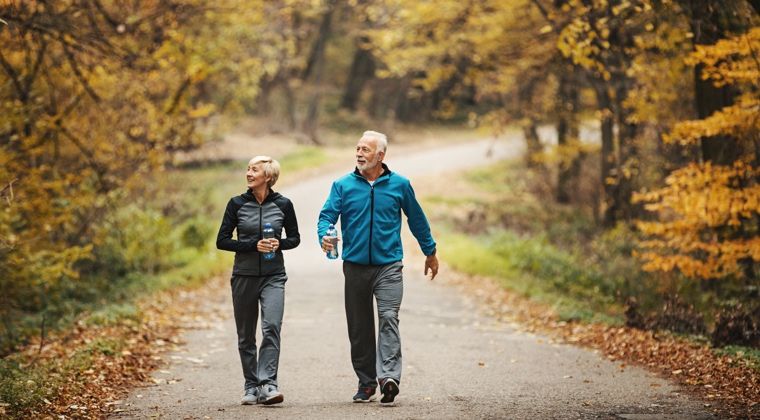
Building resilience is a goal of pain care. Resilience is adapting well to, or bouncing back from, significant challenges. It may also be described as thriving despite adversity, trauma, disease, or loss. Pain and its effects are challenges that can be met with resilience. Research suggests people vary in how resilient they are based on their genetics, social histories, and existing skills. However, we also know that resilience can be built or grown – resilience skills can be learned and practiced.
Resilience is not the absence of challenges, difficulties, worries, anxiety or occasional frustration, sadness, or distress. Resilience is NOT denial. Resilient people are very aware of their limitations, challenges, and health conditions. They are also aware of their strengths and ways to use strengths and skills to work around the challenges they face.
The building blocks of resilience include:
- Supportive relationships
- Problem solving abilities
- Good communication skills
- Ability to cope with negative emotions and savor positive ones
- Self-efficacy: the belief that you can manage or cope with a challenge
- Self-management skills
- Using existing strengths
To help identify and build on your existing strengths, you might ask yourself:
- How have I gotten through challenges before?
- What has helped?
- Who has helped?
- What do I know about myself from getting through past difficulties?
- How can I use similar skills and resources to face my current challenges?
To develop your resilience skills, you might want to:
- Develop a realistic yet optimistic outlook
- Nurture positive emotions
- Think about your sense of control
- Practice living in the present
Developing Your Resilience Skills
Realistic optimism is maintaining hope while moving forward and dealing with one's current reality. It requires flexibility and perseverance, and comprises both courage and hope. Realistic optimism is not determined by the number of adverse events in your life but rather by how you view and respond to the adversity.
- If adversity is perceived as a threat, this is an indicator of less resilience
- If adversity is perceived as a challenge, this is an indicator of more resilience
Research has shown that positive emotions play a vital role in our physical and emotional health. As you know from your own life, positive emotions such as joy can and do occur even when managing the challenges of living with pain. Positive emotions are not just about feeling good. Research has also shown that they can:
- Increase creativity
- Increase flexibility of attitude and thinking
- Help with problem solving
- Serve as a break or respite from stress and negative emotions (can replenish us)
- Sustain our efforts to manage challenges
- Build social connections (people who show positive emotions a lot tend to attract other people and build helpful support)
- Decrease distress
- Prevent depression, chronic stress and anxiety
- Improve our physical health
Beliefs about the control you have may influence how you manage your emotions. The unpredictability and chronic nature of pain can leave people feeling like they don't have control of their lives. This can lead to anxiety, fear, anger, sadness, or hopelessness.
Control is generally thought of in one of two ways:
- Internal locus of control – People feel they are in charge of making change happen in their lives. Control comes from within.
- External locus of control – People believe things happen to them as a result of external forces such as powerful other people, or by chance/luck.
Benefits of feeling "in control" include: Increased self-confidence, increased positive mood, reduced anxiety and fear, reduced stress and tension, reduced feelings of being overwhelmed, increased ability to make decisions/take action on own timeline, increased ability to cope better with unexpected changes, increased overall health.
Try listing several things that you feel you can control about your life. Save this list. You may be surprised and realize that you have more control over the events in your life than you previously thought.
Feeling in control of your life can help you to live more fully in the present and not be held back by things from the past. Some examples are:
- Letting go of feeling guilty about things done or not done
- Forgiveness of others/letting go of old grudges
- Forgiveness of self for past actions
- Not dwelling on decisions or actions from the past
- Not getting caught up in "what if's"
Living in the present involves: Awareness of the current moment without judgment, experiencing what you are doing with all your senses, savoring positive emotions/experiences as they occur, fully engaging with others/in your activities, practicing self-care as you need it, appreciating things that are currently going well, avoiding thinking and worry about the future.
Positive Activities to Build Resilience
Keeping a gratitude journal is one way to help acknowledge the good things in life. This little daily activity can help you become more aware of the good things in your life.
Step 1: Find a box or container with a lid or a piggy bank. Place it someplace where you will see it every day. You will also need some small slips of paper and a pen or pencil.
Step 2: Every evening, think about the people, things or events for which you are grateful. Pick one and spend a moment savoring it. Write this moment down on a small piece of paper with enough detail that later you will be able to immediately recall what happened. Add the date, fold it up, and drop it in the piggy bank.
Step 3: At the end of a week, 30 days or however long you chose, "close your account" – withdraw all of the "currency" from your piggy bank and read each grateful memory. As you read them, try to recall details of the event and what made it so special.
Acts of kindness can have a ripple effect – one simple act of kindness can inspire others to act more kindly too. Acts of kindness can make both the person conducting the act and the recipient feel happier.
Step 1: Pick one day in the next week where you will do five kind things all on that same day. These can be small acts (sharing a genuine compliment, giving somebody a hug) or larger acts (volunteering, making a donation, giving a homeless person a meal).
Step 2: Do your 5 random acts of kindness all in the same day. When you do your kind acts, do not expect anything in return. Smile as you do them knowing that you are putting positivity out in the world.
Step 3: After you have done your 5 kind acts, do one more kind thing for yourself. People with chronic pain tend to put others first and forget to be kind to themselves. Perhaps you could take a long bubble bath, go for a walk in the park, or see a movie with a friend.
The goal of this activity is to help you learn what your strengths are and how to use them in order to make your life more engaging and successful. Studies have shown that using your signature strengths on a regular basis can result in feeling happier, more engaged with life and even more hopeful.
Step 1: Take the Strengths Test. A Brief Strengths Test can be found at viacharacter.org. Write your top five strengths and post them somewhere that you can see them. Pick one of your top 5 strengths and think of a way you regularly use this strength.
Step 2: Put your strengths to work. Each day, find at least one way to use one or more of your strengths in a way that you haven't before. Try using one of your strengths in a new way every day for a week.
Myths about positive activities, positive emotions and resilience
Skip accordion section (6 items)FACT: Pain and emotions are processed in many of the same areas of the brain. This helps explain why depressed people are more sensitive to pain and why happy people report lower levels of pain, have better functioning despite pain, and have better quality of life. Positive emotions buffer the effects of negative emotions.
FACT: Just as a car needs gas to run, you need to recharge and refuel your mind and body. Pleasant activities can be that fuel! Just taking five minutes to read a funny cartoon or a note from a friend may give you a little boost. But if you don't take time to renew yourself, you may exhaust yourself and run out of gas.
FACT: Waiting for your pain to go away before you can enjoy your life is not a good strategy for success. Studies show that people who have more positive emotions, feelings of gratitude, a sense of purpose in life and feel socially connected have less pain and a better quality of life.
FACT: Of course there will be days that you feel terrible. Try to do something you enjoy anyway – something pleasant. If you at least do that one fun thing, you will look back on the day knowing something positive happened that day.
FACT: You might feel a bit happier right away, but for others it may take up to several weeks to notice improvements in your mood and outlook. Know that your efforts are not wasted because improving your mood and general well-being can help ease your pain and other symptoms.
FACT: Engaging in pleasant activities is not meant to cure pain. These activities are designed to bring balance to your mind which is likely to be focused on pain. If pain gets processed in the brain against a background of pleasantness rather than negative emotions (despair, anger, anxiety, frustration) it will alter how the pain is processed by the brain. This can lead to less pain and a more enjoyable day.
A note for family & friends
People with chronic pain often do better when they have other people in their lives who love, support and understand them. Being there to try some of these positive activities with your loved one with pain or encouraging him/her to do these positive and enjoyable activities can go a long way to ensure their success.
Resources
- Character Strengths: viacharacter.org
- The Science of Gratitude: UC Berkeley Greater Good Science Center
- Happify: Love Your Life Despite Chronic Pain module
- Random Acts of Kindness: Kindness Ideas